THE CLUB
Message
FOSTERING ECONOMIC GROWTH
In the future there will be a growing demand for long-term investment both in the advanced and in the emerging countries. In mature countries, there is a pressing need to finance infrastructure, innovation, environmental programs, as well as to prepare for the consequences of an ageing population. In developing countries, the income per capita catching up process is requiring vast investment in infrastructure (transportation, TLC, energy, urbanization). An intense and positive competition for long term finance, therefore, will characterize the world in the coming years. There is a general need to enlarge the worldwide share of financing for long-term capital investment at the expense of the short termism and speculation.
In 2009 Caisse des Dépots, Cassa Depositi e Prestiti, the European Investment Bank and Kreditanstalt für Wiederaufbau created the Long-Term Investors Club (LTIC) with the aim of bringing together major worldwide institutions to emphasis common identity as long-term investors, to encourage cooperation and to foster the right conditions for long-term investments in promoting growth. Today the D20 Long-Term Investors Club gathers 20 major financial institutions and institutional investors from all over the world mainly from G20 countries, representing a combined balance sheet total of USD 7.4 trillion.
The D20 LTIC has done much progress since its foundation to foster long-term investment not only in the EU but globally. Cooperation among members has developed sensibly and policy makers, at the European and G20 level, are increasingly aware of the role LTIs can play. We believe that a long-term vision of finance and economy represents a real change of paradigm to get a strong, sustainable and balanced growth in global economy
Mission and Vision Statement:
The D20-LTIC looks to partner with the G20 and other relevant multilateral formats through the provision of deep expert insight, thought leadership and best practice. Through D20-LTIC, members actively network and share valuable knowledge and insights around their specific topics of interest.”
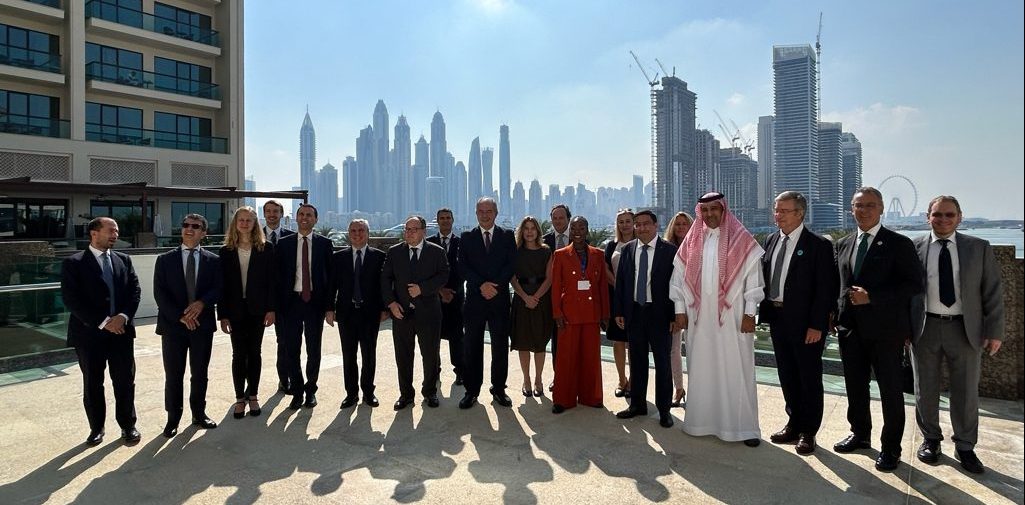
The 2023 D20-LTIC Summit took place in Dubai, UAE, on 2nd December 2023, back to back with the UN Climate Conference COP28.
The CEOs of the D20-LTIC met for their annual Steering Committee meeting. The Club, founded in 2009, brings together the leading public development banks from the G20 countries. During its meeting, the CEOs elected Mr Aloizio Mercadante from the Brazilian Development Bank BNDES as new Co-President. BNDES will be also the host of the 2024 annual meeting in Brazil – in line with the Brazilian G20 Presidency. The Club also welcomed the Development Bank of South Africa (DBSA) as new member.
The CEOs received an update of the ongoing work of the Club, latest climate developments from COP28 and the priorities of the Brazilian G20 presidency. D20-LTIC members agreed also on a joint D20 Statement 2023, highlighting the importance of a green and just transition and the pivotal role that public and private long-term investors play in this regard.
D20 Statement 2023 – COP28 Dubai
D20-LTIC Summit Program – Steering Committee Agenda 02-12-2023
D20-LTIC Summit 2023, Dubai, UAE, family picture
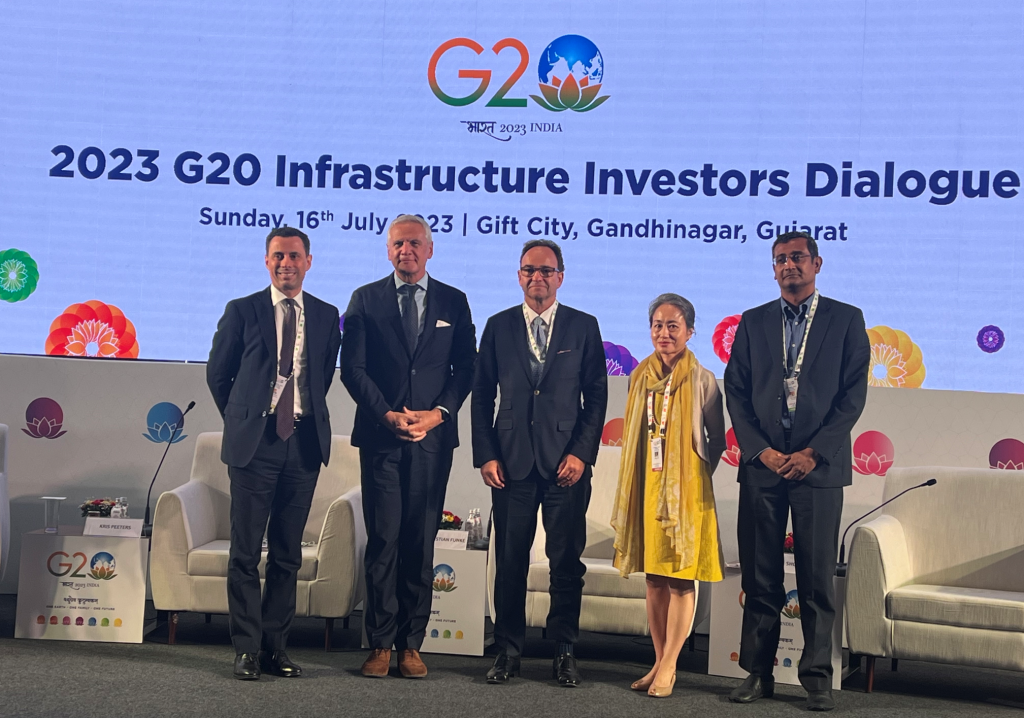
The 2023 G20 Infrastructure Investors Dialogue which was co-organized by D20-LTIC, OECD, GIFT and the Indian G20 Presidency. The Club was represented in session 3 by EIB Vice-President Peeters, KFW Secretary General Lutz-Christian Funke and D20-LTIC Secretary General Enrico Petrocelli.
D20-LTIC Summit 2022, Bali, Indonesia:
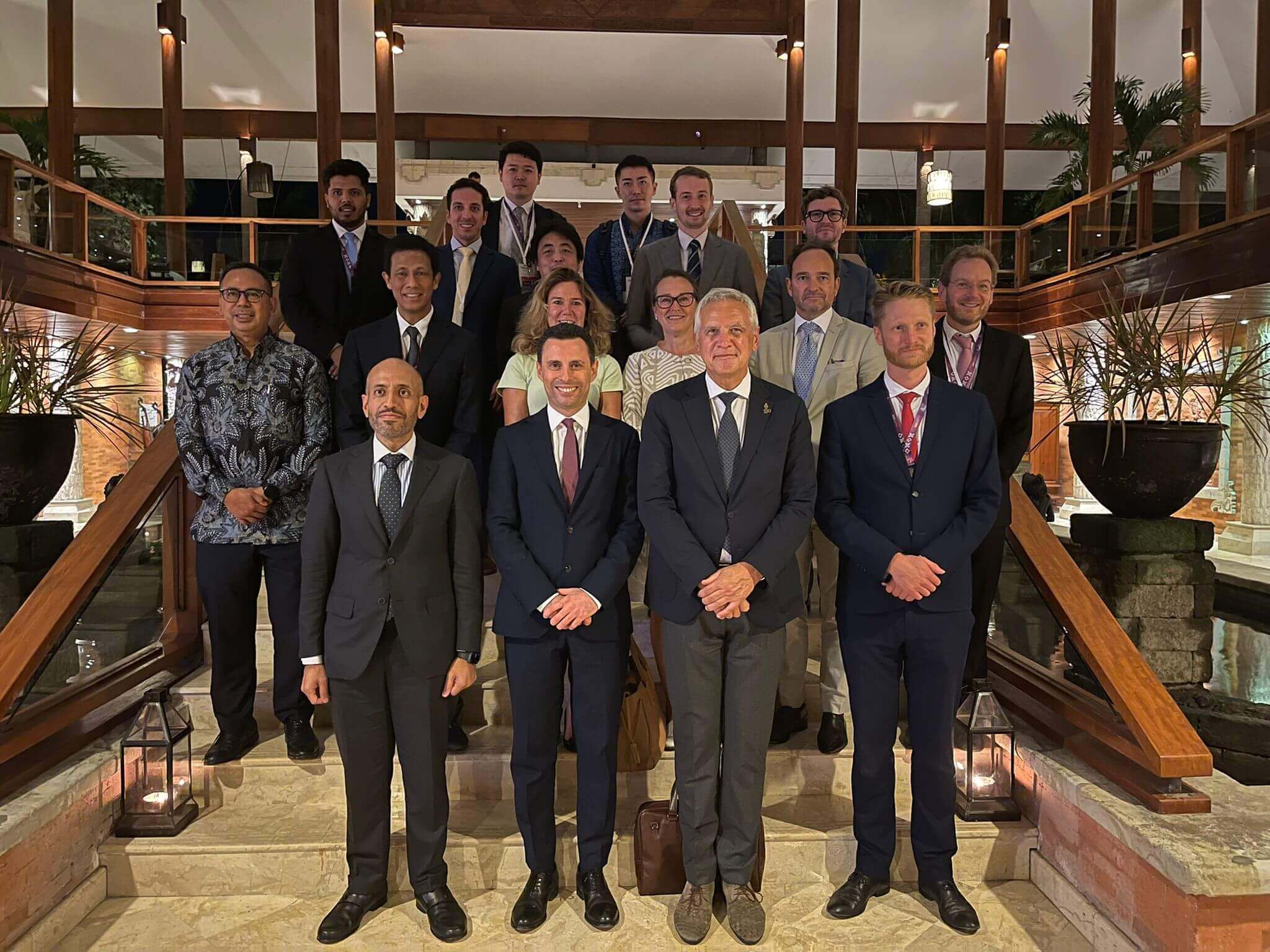
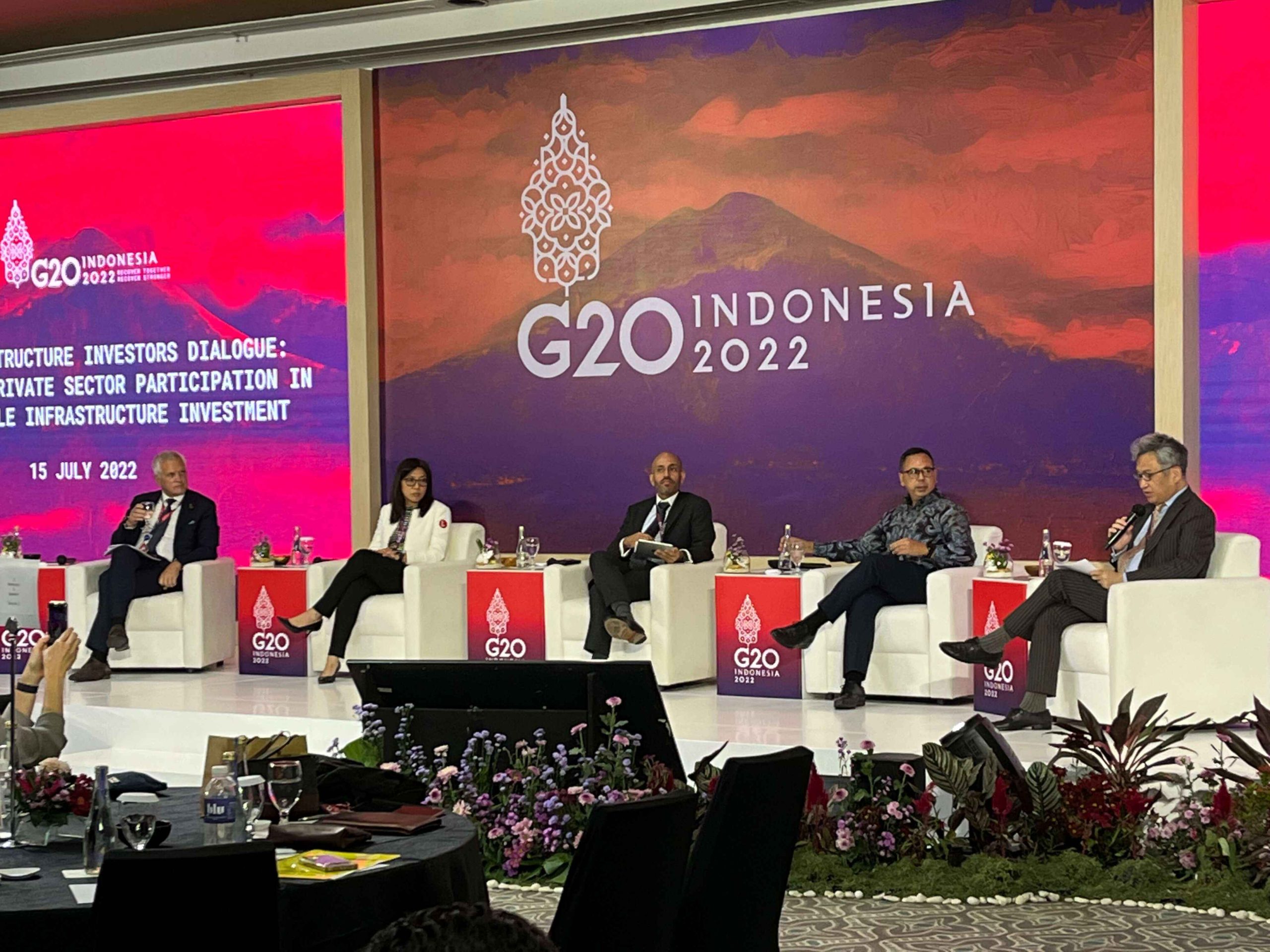
The 2022 D20-LTIC Summit took place in Bali, 14-16 July 2022. D20-LTIC members met for their annual Steering Committee meeting as well as participating in the second edition of the 2022 G20 Infrastructure Investors Dialogue which was co-organized by D20-LTIC, OECD, GIH and the Indonesian G20 Presidency.
The 2022 G20 Infrastructure Investors Dialogue is the second iteration of a series of events designed to support ongoing collaboration between public and private sectors to unlock further investments in sustainable infrastructure products. The Dialogue toke place in Bali Nusa Dua Convention Center on July 15th, 2022
D20-LTIC Summit 2022, Bali, Indonesia, family picture